



.avif)
)%20(1920%C2%A0%C3%97%C2%A0900%C2%A0px).avif)
Video is no longer just “working” on LinkedIn—it is fundamentally reshaping the platform. Data shows a structural shift toward video content, with the number of videos published increasing by 53% between January 2024 and January 2025. At the same time, video views and clicks have grown significantly, rising by 52.17% and 159.61% respectively.
This evolution is not accidental. LinkedIn has deliberately transformed its platform to favor video, introducing a more prominent video feed and an algorithm that prioritizes native video content. As a result, not integrating video into your LinkedIn strategy is no longer a simple delay—it is a real competitive disadvantage.
Why Video Content Builds Authority and Trust on LinkedIn
Video stands out because it does more than capture attention; it embodies expertise. While it is often said that video drives engagement, its real strength lies in its ability to create trust. It reveals what text cannot: your voice, your tone, your body language, and your way of thinking.
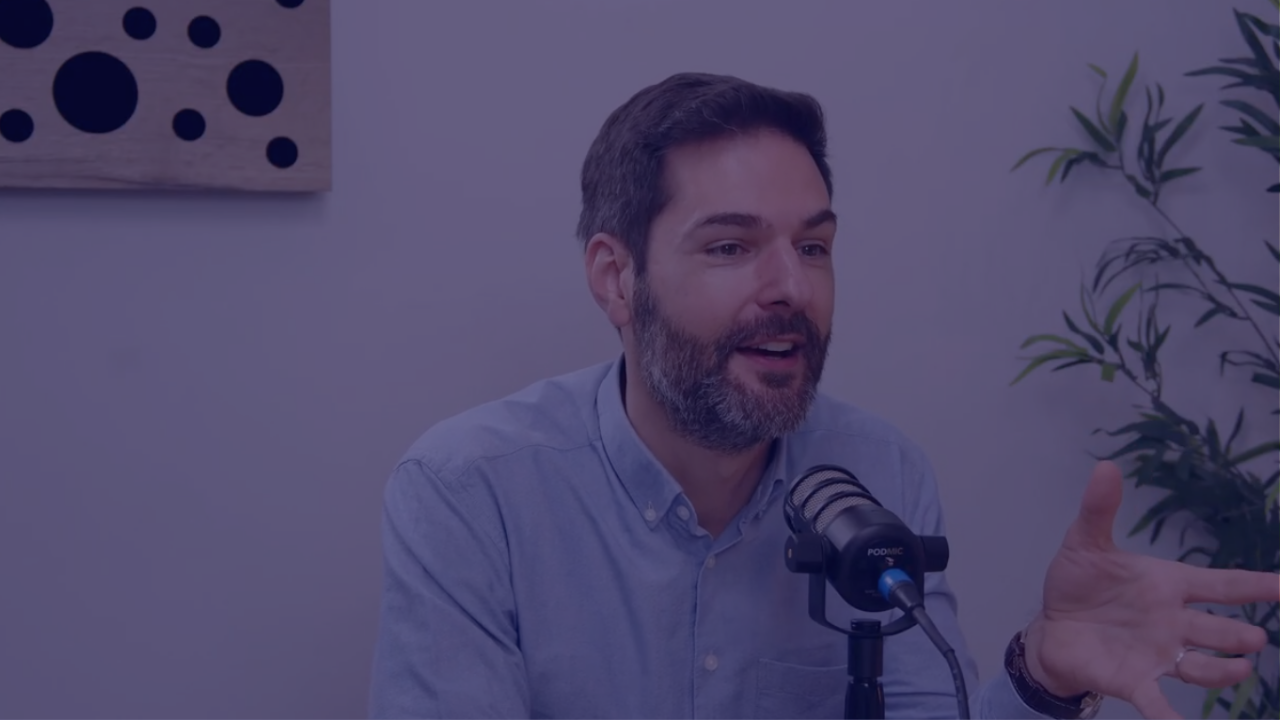
A simple talking-head video can humanize your message and establish credibility before the viewer even fully processes your content. This explains why expert-led videos often outperform text posts and static visuals in professional environments.
The Rise of Mobile-First Video Consumption
LinkedIn has become a mobile-first platform, with most users scrolling through their feed on smartphones. This shift makes short and vertical video formats particularly effective in capturing and retaining attention.
The platform reinforces this behavior by introducing video feeds inspired by short-form content platforms, encouraging continuous consumption. Native videos uploaded directly to LinkedIn benefit from algorithmic priority, increasing their reach compared to other formats.
From Visibility to Conversion: Video as a Business Lever
One of the most common mistakes is to evaluate video performance based solely on views. A view is not a business outcome. An effective LinkedIn video strategy must align with clear objectives, from visibility and engagement to trust and conversion.
Video plays a key role across the entire funnel. It can explain an offer, demonstrate a product, humanize a team, and support decision-making in a B2B sales process.
How to Use Video Strategically on LinkedIn
To be effective, video content must be intentional rather than random. Different formats serve different goals, whether it is capturing attention quickly, building authority through educational content, encouraging interaction through strong opinions, or driving action through testimonials and demonstrations.
This strategic approach ensures that video contributes directly to measurable business outcomes rather than simply generating passive views.
The Hard Truth About LinkedIn Content Performance
Not all formats perform equally on LinkedIn. Carousels and PDF documents can sometimes generate higher engagement rates per impression than video. However, the role of video is not to maximize engagement in isolation.
Its true strength lies in its ability to build trust, explain complex ideas, and drive conversions—three essential stages in any B2B marketing funnel. The real mistake is not that video may underperform on certain metrics, but that it is too often treated as an attention tool instead of a strategic conversion asset.
Conclusion: Why Video Dominates LinkedIn
Video dominates LinkedIn not because it is trendy, but because it combines visibility, human connection, clarity, and action. In a fast-scrolling environment where attention is limited, the algorithm rewards content that retains attention and delivers value.
The question is no longer whether you should use video but how you use it to create a measurable impact on your business objectives.
Master the shift to video and dominate the feed, download our free Influencer Marketing eBook for the full strategic roadmap!



.png)


.avif)
